Everything you need for calisthenics training in one place, from parallettes and gymnastic rings to resistance bands and weighted gear. Built for athletes who train seriously, whether at home, outdoors, or in the gym.
Clean pull-ups, consistent dips, and basic holds down. The next jump comes from ring instability and protecting joints through higher training volume.
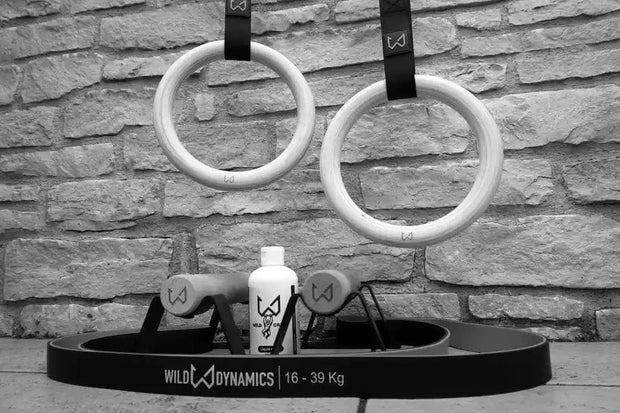
Gymnastic rings — expose muscular imbalances in every pulling and pushing pattern; accelerate muscle-up and front lever progress faster than any other piece of equipment
Compression elbow sleeves — retain heat on the elbow tendon during high-volume ring and bar sessions; reduce lateral epicondylitis risk over time
Calisthenics wrist wraps — stabilise the wrist in full extension during handstand and planche progressions where injury risk is highest
Resistance bands — essential for assisted skill work and active mobility if not already owned
Parallettes, wrist wraps, and a speed jump rope. The complete starting kit for skill-based bodyweight training — at home, outdoors, or in the gym — without buying pieces separately.
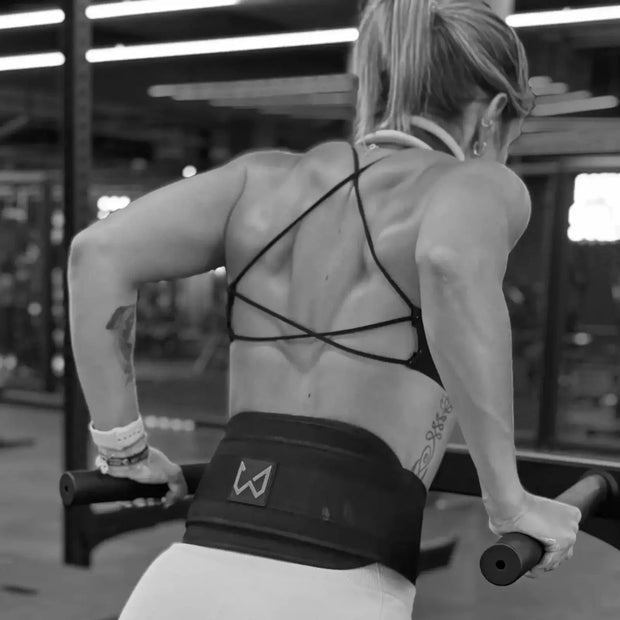
Dip belt, elbow sleeves, and wrist wraps. Everything needed to safely overload pull-ups, dips, and squats while protecting joints under heavy external load.
Not sure which level you are? Take the Wild Score assessment. It measures your strength, skill, mobility, and endurance across five pillars and tells you exactly where to focus next.
Frequently asked questions about calisthenics equipment
What calisthenics equipment do beginners actually need?
Beginners need four essentials: resistance bands (to scale pull-up and dip difficulty), parallettes (for L-sits, push-up variations, and wrist-neutral pressing), liquid chalk (for grip without dust), and a jump rope (for conditioning under €20). That covers pulling, pushing, and cardio without a gym.
When should I add gymnastic rings to my training?
Add rings once you can perform 8–10 clean pull-ups and 15 dips consistently. Rings expose instability in every push and pull pattern, accelerating muscle-up and front lever progress. They pair best with elbow sleeves and wrist wraps to protect joints as volume increases.
What is a dip belt used for in calisthenics?
A dip belt lets you attach external weight — plates or kettlebells — to weighted pull-ups and dips. Once bodyweight reps plateau, a dip belt is the primary tool for progressive overload in calisthenics, bridging the gap between bodyweight training and street lifting.
Is a calisthenics starter bundle worth it?
Yes, for most beginners a starter bundle costs less than buying items individually and removes the guesswork. The Calisthenics Starter Bundle includes parallettes, wrist wraps, and a speed jump rope — everything needed for a complete skill-based bodyweight session at home or outdoors.
Do I need wrist wraps for calisthenics?
Wrist wraps become important once you train handstand and planche progressions, which place the wrist in full extension under load. They stabilise the joint, reduce pain during learning phases, and let you accumulate the volume needed to progress safely.
Frequently asked questions about calisthenics equipment
What exercises can I do with parallettes?
Parallettes support L-sits, push-up variations, tuck planche, handstand practice, and much more. For a full list with instructions, see our 15 parallette exercises guide. To structure your long-term progression, read the complete parallettes training guide.
Which parallettes should I buy?
It depends on whether you prioritise portability, stability, or advanced skill work. Our best calisthenics parallettes guide for 2026 compares the most relevant options with clear use cases for each type.
How do I build pull strength as a beginner?
Pull strength builds through progressions. Start with Australian rows, move to eccentrics, then band-assisted pull-ups before strict pull-ups. Our best pull exercises for beginners guide covers each step in order.
Can I train outdoors or while travelling with this equipment?
Yes. Parallettes, bands, jump rope, and liquid chalk fit in any gym bag. See our portable calisthenics guide for setup ideas in parks, hotels, and outdoor spaces.
When should I warm up before training?
Always, especially before pull, push, and skill work. An 8 to 12 minute warm-up activates wrists, elbows, and shoulders before loading them. Follow the protocol in our calisthenics warm-up guide.
Sign up for our newsletter and get an exclusive 10% discount code for your next order. Be the first to hear about new gear, training tips, and special offers. No spam, ever. Unsubscribe anytime.